Choosing the Perfect Locker: Metal vs. Wood Options
The Importance of Quality Lockers in Different Settings
Lockers are an essential storage solution in a variety of environments, from schools and gyms to offices and upscale clubs. They provide security, organization, and convenience while catering to different aesthetic and functional needs. When selecting lockers, one of the most common dilemmas is choosing between metal lockers and wood lockers. Each type offers unique benefits and caters to specific requirements, making it crucial to understand their differences before making a decision.
The choice of locker material can impact durability, security, and overall visual appeal. Facilities that prioritize robustness and practicality often opt for metal storage, while those seeking elegance and a warm, natural look may prefer wooden alternatives. The decision ultimately depends on the setting, budget, and specific user needs.
The Advantages of Metal Lockers
For decades, metal lockers have been the go-to option for schools, sports facilities, and workplaces that require high-strength storage solutions. Their durability makes them ideal for high-traffic areas where frequent use and exposure to wear and tear are common. Manufactured from steel or aluminum, metal storage units offer excellent resistance to impact, ensuring they remain functional even in demanding environments.
Another advantage of these lockers is their security. Equipped with robust locking mechanisms, they provide a high level of protection for personal belongings. They are also relatively easy to maintain, requiring only occasional cleaning and minimal repairs. Additionally, their ventilation slots allow for proper airflow, making them a suitable choice for gym and athletic facilities where damp clothing and equipment need adequate air circulation.
Despite their many benefits, metal storage options may lack the warmth and sophistication that some premium environments require. They also have the potential to develop dents or rust if not properly maintained, particularly in humid conditions. However, advancements in coatings and finishes have significantly improved their longevity and resistance to corrosion.
The Appeal of Wood Lockers
For those seeking a more refined and aesthetically pleasing storage option, wood lockers offer an elegant alternative. Popular in luxury fitness centers, golf clubs, executive offices, and spas, they exude a classic and upscale appearance that enhances the ambiance of any space. Crafted from solid wood, veneer, or high-quality laminates, these lockers seamlessly blend with sophisticated interior designs.
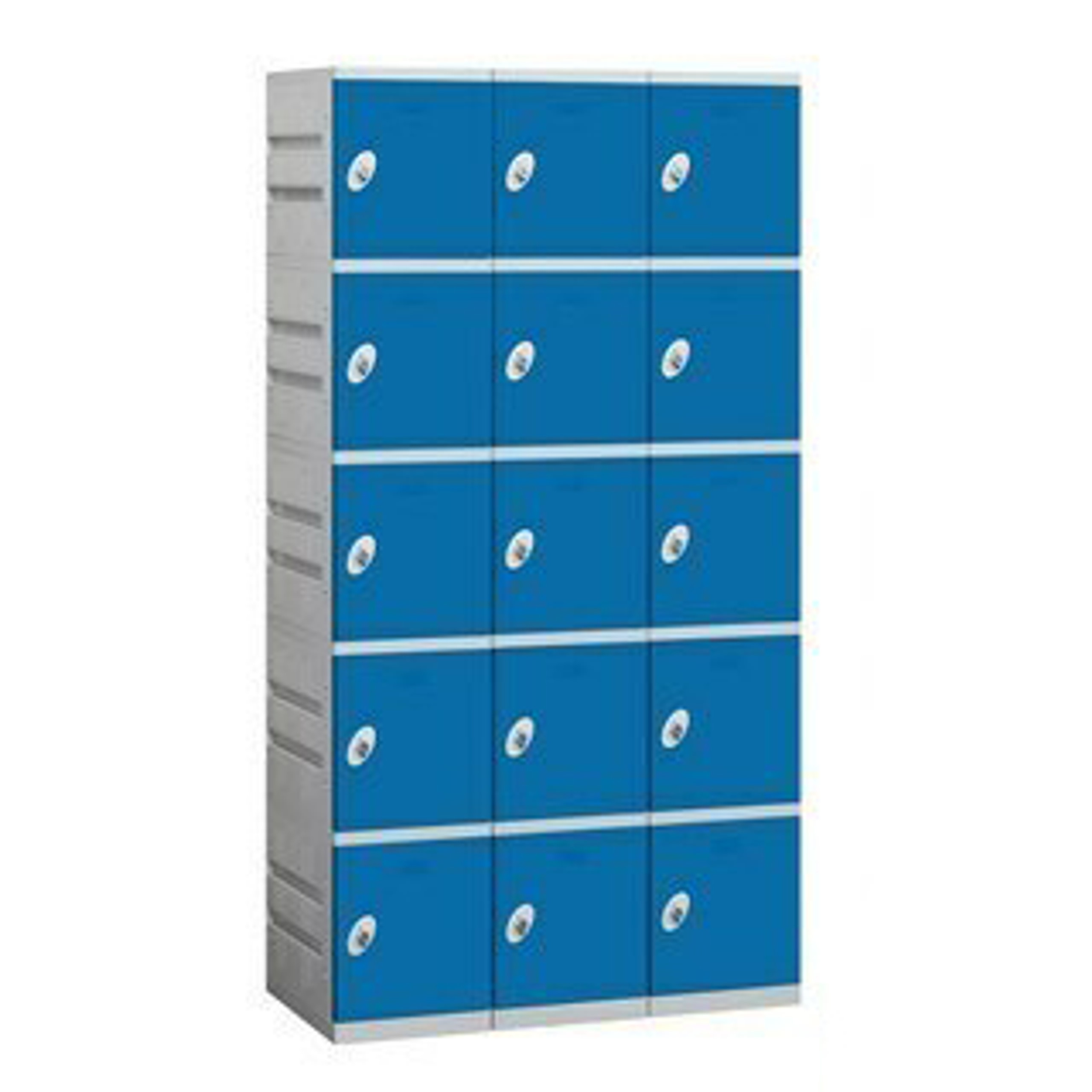
One of the primary reasons many establishments opt for wooden storage solutions is their ability to create a warm and inviting atmosphere. Unlike metal, wood provides a natural charm that elevates the aesthetic appeal of locker rooms and personal storage areas. Many manufacturers offer customization options, allowing for different finishes, stains, and hardware choices to match the decor of a specific setting.
While aesthetically superior, wooden lockers require more maintenance than their metal counterparts. They are susceptible to scratches, moisture damage, and warping if exposed to excessive humidity. Proper sealing and regular care, however, can significantly extend their lifespan, making them a viable long-term investment for facilities prioritizing style and sophistication.
Choosing the Right Locker for Your Needs
The decision between metal lockers and wood lockers should be guided by the specific needs of the environment in which they will be placed. For high-traffic areas, durability and security are top priorities, making metal storage the preferred choice. Schools, industrial workplaces, and public gyms benefit greatly from the sturdy construction and resilience of metal options.
On the other hand, for facilities that emphasize aesthetics and exclusivity, wooden storage solutions are the ideal option. High-end spas, private clubs, and boutique offices often invest in wood to create a more polished and luxurious look. In such settings, the visual appeal of the locker area plays a significant role in maintaining an upscale atmosphere.
Budget considerations also play a role in the decision-making process. Metal lockers are generally more affordable and widely available, making them a cost-effective choice for institutions and businesses requiring large-scale installations. Wooden options, while more expensive, provide an air of sophistication that justifies their higher price point in exclusive environments.
Blending Durability and Elegance: Hybrid Solutions
For those who want the best of both worlds, hybrid lockers that incorporate both wood and metal elements provide a balanced solution. Some designs feature metal lockers with wood laminate finishes, offering durability without compromising on style. This combination is particularly useful for corporate settings and fitness centers looking for storage that is both sturdy and visually appealing.
Advancements in locker technology have also introduced moisture-resistant wooden options and corrosion-resistant metal finishes, expanding the possibilities for various industries. As businesses and institutions continue to innovate, storage solutions are becoming more adaptable to different needs, ensuring that users can enjoy both practicality and aesthetic value in their locker choices.
Conclusion
Choosing between metal lockers and wood lockers ultimately depends on the environment, usage requirements, and design preferences. While metal options offer durability, security, and cost-effectiveness, wooden alternatives provide elegance and a high-end appearance that enhances sophisticated spaces. By understanding the advantages and limitations of each type, facility managers and business owners can make informed decisions that cater to both functional and aesthetic needs. Whether opting for pure metal, rich wooden textures, or a hybrid blend, the right storage solution can significantly enhance the experience of those who rely on secure and stylish locker spaces.


Comments
Post a Comment